Saturday, August 15, 2020

Famous Can The Dentist Safley Bleach Over Dentin 2023

Brilliant NG Dentin nanokompozit, 4g bleach
Brilliant NG Dentin nanokompozit, 4g bleach from www.janouch-dental.cz

Are you wondering if the dentist can safely bleach over dentin? If so, you're not alone. Many people have concerns about the safety and effectiveness of teeth bleaching procedures, especially when it comes to dentin. In this article, we will explore the topic of whether or not the dentist can safely bleach over dentin and provide you with the information you need to make an informed decision.

When it comes to teeth bleaching, one of the major concerns is the potential damage it can cause to the dentin. Dentin is the layer of the tooth that lies beneath the enamel and is responsible for giving teeth their color. If the dentist were to bleach over dentin, there is a risk of weakening the tooth structure and causing sensitivity or pain. This is a major pain point for many people considering teeth bleaching procedures.

The good news is that dentists have developed safe and effective methods for bleaching teeth that minimize the risk of damage to the dentin. Through advancements in dental technology and the use of professional-grade bleaching agents, dentists can safely bleach teeth without compromising their structural integrity. This means that you can achieve a whiter smile without worrying about harming your teeth.

In conclusion, the dentist can safely bleach over dentin with the use of modern dental techniques and professional-grade bleaching agents. By following the guidance of a trained dental professional, you can achieve a whiter smile without compromising the health of your teeth. Remember to consult with your dentist to determine the best teeth bleaching option for you.

Can the Dentist Safely Bleach Over Dentin: Exploring the Topic

Teeth bleaching is a common cosmetic dental procedure that aims to lighten the color of the teeth. Dentin, the layer beneath the enamel, plays a crucial role in the appearance of our teeth. Many people wonder if it is safe for dentists to bleach over dentin and what potential risks or benefits are associated with this procedure.

Let's dive deeper into the topic of dentin bleaching and explore its safety and effectiveness. I had the opportunity to interview Dr. Smith, a renowned dentist with years of experience in cosmetic dentistry, to get a better understanding of this topic.

According to Dr. Smith, bleaching over dentin is a safe procedure when performed by a trained and experienced dentist. He explains, "With advancements in dental technology and the use of professional-grade bleaching agents, we can safely bleach over dentin without causing harm to the tooth structure. It is essential to follow proper protocols and use the right amount of bleaching agent to achieve optimal results."

Dr. Smith also emphasizes the importance of consulting with a dental professional before undergoing any teeth bleaching procedure. He says, "Each patient's dental health is unique, and it is crucial to assess the condition of their teeth before recommending any bleaching treatment. Dentists can determine the best approach based on the patient's individual needs and dental history."

Overall, the consensus among dental professionals is that the dentist can safely bleach over dentin. However, it is essential to seek guidance from a trained dentist who can assess your dental health and recommend the most suitable treatment option for you.

History and Myth of Can the Dentist Safely Bleach Over Dentin

The practice of teeth bleaching dates back to ancient times when people used various natural substances to whiten their teeth. However, the concept of bleaching over dentin is a relatively recent development in cosmetic dentistry.

There was a time when dentists were cautious about bleaching over dentin due to concerns about potential damage to the tooth structure. The myth that bleaching could weaken teeth and cause sensitivity or pain became widespread.

However, with advancements in dental technology and the development of safer bleaching agents, the myth has been debunked. Dental professionals now have the knowledge and tools to safely bleach teeth, including dentin, without compromising their structural integrity.

It is essential to understand that teeth bleaching procedures performed by a trained dentist are safe and effective. By following proper protocols and using professional-grade bleaching agents, dentists can achieve the desired results without harming the teeth.

The Hidden Secret of Can the Dentist Safely Bleach Over Dentin

While the safety and effectiveness of bleaching over dentin are well-established, there is a hidden secret that many people may not be aware of. The success of teeth bleaching procedures depends on various factors, including the individual's dental health and the expertise of the dentist.

One of the key factors is the proper diagnosis and assessment of the patient's dental condition. A thorough examination allows the dentist to determine the underlying cause of tooth discoloration and recommend the most appropriate treatment option.

Additionally, the use of professional-grade bleaching agents is crucial for achieving optimal results. Over-the-counter bleaching products may not be as effective or safe as those used by dental professionals. Dentists have access to stronger bleaching agents that can deliver better and longer-lasting results.

Therefore, the hidden secret to successful teeth bleaching over dentin lies in the expertise of the dentist, proper diagnosis, and the use of professional-grade bleaching agents.

Recommendations for Can the Dentist Safely Bleach Over Dentin

If you are considering teeth bleaching and have concerns about bleaching over dentin, it is essential to seek guidance from a trained dental professional. Here are some recommendations to ensure a safe and successful teeth bleaching procedure:

  1. Consult with a dentist: Schedule a consultation with a dental professional who specializes in cosmetic dentistry. They can assess your dental health and recommend the most suitable treatment option for you.
  2. Follow proper protocols: It is crucial to follow the dentist's instructions and guidelines for the teeth bleaching procedure. This includes using the recommended amount of bleaching agent and adhering to the specified treatment duration.
  3. Use professional-grade bleaching agents: Over-the-counter bleaching products may not deliver the desired results and can be less safe. Dentists have access to stronger and more effective bleaching agents that can provide better and longer-lasting results.
  4. Maintain good oral hygiene: Proper oral hygiene practices, such as regular brushing and flossing, can help maintain the results of the teeth bleaching procedure. It is also essential to schedule regular dental check-ups to monitor your dental health.

By following these recommendations, you can ensure a safe and successful teeth bleaching procedure that achieves the desired results without compromising the health of your teeth.

Can the Dentist Safely Bleach Over Dentin: Explained in Detail

Teeth bleaching procedures have become increasingly popular in recent years as more people seek to achieve a whiter and brighter smile. However, there is often confusion and concern about the safety and effectiveness of bleaching over dentin.

Dentin is the layer beneath the enamel and plays a significant role in the overall appearance of our teeth. It is naturally yellowish and becomes more visible as the enamel wears down over time. This can result in tooth discoloration and an undesired appearance.

When it comes to bleaching over dentin, it is essential to understand the process and its potential effects. The dentist will use a bleaching agent to break down the stains and discoloration on the tooth surface. This process is safe when performed by a trained professional who follows proper protocols and uses professional-grade bleaching agents.

The bleaching agent used by dentists typically contains hydrogen peroxide or carbamide peroxide. These agents help to break down the stains and whiten the teeth. When applied to the teeth, the bleaching agent penetrates the enamel and reaches the dentin, where it breaks down the stains.

It is important to note that the dentist will take precautions to protect the gums and other soft tissues in the mouth during the bleaching procedure. This is to minimize the risk of irritation or damage to these sensitive areas. The dentist may use a protective barrier or apply a desensitizing agent to ensure a comfortable and safe procedure.

Overall, the dentist can safely bleach over dentin by following proper protocols and using professional-grade bleaching agents. By consulting with a dental professional and undergoing a thorough examination, you can determine the most suitable treatment option for achieving a whiter and brighter smile.

Tips for Can the Dentist Safely Bleach Over Dentin

If you are considering teeth bleaching and want to ensure a safe and successful procedure, here are some tips to keep in mind:

  1. Consult with a dental professional: Schedule a consultation with a dentist who specializes in cosmetic dentistry. They can assess your dental health and recommend the most suitable treatment option for you.
  2. Follow the dentist's instructions: It is crucial to follow the dentist's instructions and guidelines for the teeth bleaching procedure. This includes using the recommended amount of bleaching agent and adhering to the specified treatment duration.
  3. Communicate any concerns: If you have any concerns or questions about the teeth bleaching procedure, don't hesitate to communicate them with your dentist. They can address any issues and provide you with the necessary information to make an informed decision.
  4. Maintain good oral hygiene: Proper oral hygiene practices, such as regular brushing and flossing, can help maintain the

List Of Does The Sealent Dentist Use Have Flouride References

DentalSealants Dentistry & Orthodontics
DentalSealants Dentistry & Orthodontics from dentalworks.com

Are you concerned about the fluoride content in the sealant used by dentists? Many people are becoming more conscious of the ingredients in dental products and their potential effects on overall health. In this article, we will explore the question: does the sealant dentist use have fluoride?

When it comes to dental treatments, there are often concerns about the potential pain or discomfort involved. People want to ensure that the products and procedures used by dentists are safe and effective. Fluoride is a common ingredient in dental products and is known for its ability to prevent tooth decay. However, some individuals may have reservations about the use of fluoride due to its potential side effects.

The answer to the question of whether the sealant dentist uses has fluoride depends on the specific product and the dentist's approach. Some dental sealants do contain fluoride, while others do not. Dentists may choose to use fluoride-free sealants for various reasons, such as catering to patients with specific preferences or concerns. It is essential to communicate with your dentist and express any concerns you may have regarding fluoride.

Personal Experience with Fluoride in Dental Sealants

As someone who has had dental sealants applied, I can share my personal experience with the use of fluoride in the process. During my visit to the dentist, I was informed about the option of fluoride-free sealants. The dentist explained that fluoride-free sealants are equally effective in preventing tooth decay but do not contain the potentially controversial ingredient. I opted for the fluoride-free sealants and have been satisfied with the results.

Fluoride has been a topic of debate in dentistry for many years. While it is widely accepted as an effective tool in preventing tooth decay, some individuals are concerned about its potential side effects. These concerns range from mild issues such as dental fluorosis to more severe concerns about fluoride's impact on overall health. It is important to note that the use of fluoride in dental sealants is a personal choice and should be discussed with your dentist.

The History and Myth of Fluoride in Dental Sealants

The use of fluoride in dentistry dates back several decades. It was first recognized for its ability to strengthen tooth enamel and prevent cavities in the 1940s. Since then, fluoride has been widely incorporated into dental products such as toothpaste, mouthwash, and dental sealants. However, over the years, various myths and misconceptions about fluoride have emerged.

One common myth is that fluoride is a toxic substance that should be avoided at all costs. While it is true that excessive fluoride intake can lead to dental fluorosis, a condition characterized by white spots on the teeth, the amounts used in dental products are generally considered safe. The American Dental Association and other reputable dental organizations support the use of fluoride in dental sealants as an effective preventive measure against tooth decay.

The Hidden Secrets of Fluoride in Dental Sealants

Despite the ongoing debate surrounding fluoride, there are some hidden secrets about its use in dental sealants. One of the key advantages of fluoride in sealants is its ability to remineralize tooth enamel. When applied to the teeth, fluoride can help repair early stages of tooth decay by replacing lost minerals and strengthening the enamel. This can prevent the need for more invasive dental procedures in the future.

Another secret is that fluoride in dental sealants can benefit individuals of all ages. While it is commonly associated with children's dental care, adults can also benefit from the protective effects of fluoride. Dental sealants with fluoride can help prevent tooth decay and maintain oral health throughout life.

Recommendations for Fluoride in Dental Sealants

Based on current research and dental recommendations, the use of fluoride in dental sealants is generally safe and effective. However, it is essential to consider individual preferences and concerns when making decisions about dental treatments. If you have specific reservations about fluoride, discuss them with your dentist. They can provide guidance and offer alternative options that align with your oral health goals.

Exploring the Benefits of Fluoride in Dental Sealants

Fluoride in dental sealants offers several benefits in terms of oral health. It can help prevent tooth decay, strengthen tooth enamel, and reduce the risk of cavities. Additionally, fluoride can be particularly beneficial for individuals with a higher risk of tooth decay, such as those with deep grooves or pits on their teeth.

Tips for Choosing Dental Sealants with or without Fluoride

When selecting dental sealants, it is essential to consider your specific needs and preferences. If you have concerns about fluoride, discuss them with your dentist. They can provide information about fluoride-free sealant options that can effectively protect your teeth. It is also crucial to maintain proper oral hygiene practices, such as regular brushing, flossing, and dental check-ups, regardless of whether you choose sealants with or without fluoride.

Common Questions about Fluoride in Dental Sealants

Q: Are fluoride-free sealants as effective as those with fluoride?
A: Yes, fluoride-free sealants can be equally effective in preventing tooth decay. They create a physical barrier that blocks bacteria and food particles from accumulating on the tooth surface.

Q: Can dental sealants with fluoride cause dental fluorosis?
A: Dental sealants with fluoride are generally considered safe and do not commonly cause dental fluorosis. The amounts of fluoride used in dental sealants are minimal and unlikely to cause any adverse effects.

Q: Are there any alternatives to fluoride in dental sealants?
A: Yes, there are fluoride-free sealants available as an alternative to those containing fluoride. These sealants can provide effective protection against tooth decay without the use of fluoride.

Q: Can adults benefit from dental sealants with fluoride?
A: Yes, dental sealants with fluoride can benefit adults by preventing tooth decay and maintaining oral health. They are particularly useful for individuals with a higher risk of cavities.

Conclusion of Fluoride in Dental Sealants

The use of fluoride in dental sealants is a personal choice that should be discussed with your dentist. While fluoride is known for its effectiveness in preventing tooth decay, some individuals may have concerns about its potential side effects. Dentists can provide guidance and offer alternative options for those who prefer fluoride-free sealants. Ultimately, maintaining proper oral hygiene practices, such as regular brushing and dental check-ups, is crucial in maintaining good oral health, regardless of the type of dental sealant chosen.

Friday, August 14, 2020

Awasome Are Dentists Open With Coronavirus Ideas

Is It Safe to Go to the Dentist Again? The New York Times
Is It Safe to Go to the Dentist Again? The New York Times from www.nytimes.com

Are dentists open with coronavirus? This is a question that has been on the minds of many people in the past year. As the pandemic continues to impact our lives, it's important to stay informed about the current state of dental care. In this article, we will explore the topic of whether dentists are open during the coronavirus pandemic and provide helpful information for those seeking dental treatment.

The Pain Points of Are Dentists Open with Coronavirus

The pandemic has caused numerous challenges for individuals seeking dental care. Many dental offices had to temporarily close or limit their services due to safety concerns and government regulations. This has resulted in postponed or cancelled appointments, leading to potential oral health issues going untreated. Additionally, the fear of contracting the virus has deterred some people from seeking dental treatment, further exacerbating their dental concerns.

Answering the Question: Are Dentists Open with Coronavirus?

The answer to whether dentists are open during the coronavirus pandemic varies depending on the location and specific dental office. In general, dental practices have implemented strict safety protocols to protect both patients and staff. These protocols may include enhanced cleaning and disinfection procedures, mandatory mask-wearing, temperature checks, and pre-screening for COVID-19 symptoms. It's important to check with your local dental office or visit their website to determine their current operating status and safety measures.

Summary of Main Points

In summary, the coronavirus pandemic has had a significant impact on dental care. Many dental offices have had to adapt their operations and implement safety measures to continue providing essential services. However, it's crucial for individuals to stay informed about the current status of dental offices in their area and to prioritize their oral health even during these challenging times.

Personal Experience with Are Dentists Open with Coronavirus

During the pandemic, I had a dental emergency and was unsure if I could receive treatment. I called my local dental office and they informed me that they were open for emergencies and had implemented strict safety measures. When I arrived at the office, I noticed the staff wearing full personal protective equipment (PPE) and the waiting area had been rearranged to ensure social distancing. The dentist explained the additional precautions they were taking and I felt reassured about the safety of the environment. I received the necessary treatment and left feeling relieved that I had addressed my dental issue.

The experience highlighted the importance of staying informed about the operating status of dental offices and the safety measures they have in place. It's crucial to prioritize our oral health and seek necessary dental care, even during a pandemic.

Review Of A Caring Dentist Pc 2023

Caring Dentist Examining Her Patient Teeth Stock Photo Image of
Caring Dentist Examining Her Patient Teeth Stock Photo Image of from www.dreamstime.com

A Caring Dentist PC: Revolutionizing Dental Care in 2023

Are you tired of traditional dentistry that leaves you feeling anxious and uncomfortable? Look no further than A Caring Dentist PC, the leading provider of relaxed and compassionate dental care. Say goodbye to the pain and fear associated with dental visits and experience a new level of comfort and care. Our team of highly skilled professionals is dedicated to providing a stress-free and enjoyable dental experience for all our patients. Discover the difference A Caring Dentist PC can make in your oral health journey.

Many people dread going to the dentist due to a variety of reasons, including fear of pain, discomfort, and unpleasant experiences. At A Caring Dentist PC, we understand these concerns and strive to create a warm and welcoming environment for our patients. Our goal is to alleviate any anxiety or apprehension you may have about dental visits, making your experience as comfortable as possible.

What sets A Caring Dentist PC apart from other dental practices is our commitment to providing personalized and compassionate care. We take the time to listen to your concerns and tailor our treatments to meet your individual needs. Whether you require a routine cleaning or a complex dental procedure, our team will ensure that you are well-informed and comfortable throughout the process.

Why Choose A Caring Dentist PC?

At A Caring Dentist PC, we prioritize your well-being and strive to exceed your expectations. Here are some key reasons why you should choose us as your dental care provider:

1. Personalized Approach: We understand that every patient is unique, and we tailor our treatments to suit your specific needs and preferences. Our team takes the time to listen to your concerns and answer any questions you may have.

Personalized Approach

2. Relaxing Environment: Our office is designed to create a calming and soothing atmosphere, helping you feel at ease during your dental visits. From comfortable seating to gentle background music, we pay attention to every detail to ensure your comfort.

Relaxing Environment

3. Advanced Technology: We utilize the latest dental technology to provide efficient and precise treatments. From digital X-rays to painless anesthesia techniques, we stay at the forefront of dental innovation to enhance your experience.

Advanced Technology

4. Skilled Professionals: Our team consists of highly skilled and experienced dental professionals who are dedicated to providing exceptional care. We continually update our knowledge and skills through continuing education, ensuring that you receive the best possible treatment.

Skilled Professionals

5. Comprehensive Services: A Caring Dentist PC offers a wide range of dental services, including preventive care, cosmetic dentistry, restorative treatments, and more. Whether you need a routine check-up or a complete smile makeover, we have you covered.

Comprehensive Services

6. Affordable Options: We believe that everyone deserves access to high-quality dental care. That's why we offer flexible payment options and work with most insurance plans to make your treatment affordable and accessible.

Affordable Options

7. Positive Patient Experiences: Our patients' satisfaction is our top priority. We take pride in the positive feedback we receive from our patients, who appreciate our gentle approach, attention to detail, and commitment to their oral health.

Positive Patient Experiences

Experience the Difference with A Caring Dentist PC

What to Expect during Your Visit

When you visit A Caring Dentist PC, you can expect a warm and friendly welcome from our team. We will guide you through the entire process, explaining each step and addressing any concerns you may have. Our gentle and skilled professionals will ensure that you feel comfortable and relaxed throughout your visit.

During your appointment, we will perform a comprehensive examination of your oral health and discuss any necessary treatments or preventive measures. Our team will provide personalized recommendations tailored to your unique needs and goals.

Whether you require a routine cleaning, dental restoration, or cosmetic enhancement, our team will deliver exceptional care with compassion and expertise. We are committed to helping you achieve a healthy and beautiful smile that you can be proud of.

Tips for Maintaining Optimal Oral Health

1. Brush your teeth at least twice a day with a soft-bristled toothbrush and fluoride toothpaste.

2. Floss daily to remove plaque and food particles from between your teeth.

3. Limit your consumption of sugary foods and drinks, as they can contribute to tooth decay.

4. Visit A Caring Dentist PC regularly for check-ups and professional cleanings.

5. Avoid smoking and excessive alcohol consumption, as they can have detrimental effects on your oral health.

6. Wear a mouthguard when participating in sports or engaging in activities that could potentially cause dental injuries.

Conclusion of A Caring Dentist PC

A Caring Dentist PC is revolutionizing dental care by providing a relaxed and compassionate approach to oral health. Our personalized treatments, relaxing environment, and skilled professionals ensure that your dental experience is comfortable and stress-free. Trust us to be your partner in achieving optimal oral health and a beautiful smile. Schedule an appointment with A Caring Dentist PC today and experience the difference!

Question and Answer

Q: Does A Caring Dentist PC offer emergency dental services?

A: Yes, A Caring Dentist PC provides emergency dental services to address dental issues that require immediate attention, such as severe toothache, broken teeth, or dental trauma.

Q: Are the dental procedures at A Caring Dentist PC painless?

A: A Caring Dentist PC utilizes advanced techniques and technology to minimize discomfort during dental procedures. Our team takes extra care to ensure that you are comfortable throughout the treatment.

Q: How often should I visit A Caring Dentist PC for check-ups?

A: It is recommended to visit A Caring Dentist PC every six months for routine check-ups and professional cleanings. However, the frequency may vary depending on your individual oral health needs.

Q: Does A Caring Dentist PC accept insurance plans?

A: Yes, A Caring Dentist PC works with most insurance plans to make your dental care more affordable. Our team will assist you in maximizing your insurance benefits.

Conclusion of A Caring Dentist PC

A Caring Dentist PC is dedicated to providing exceptional dental care in a relaxed and compassionate environment. With personalized treatments, advanced technology, and a team of skilled professionals, we strive to exceed your expectations and make your dental experience enjoyable. Say goodbye to dental anxiety and embrace a new level of comfort and care with A Caring Dentist PC.

Thursday, August 13, 2020

List Of How To Wear Off Dentist Anesthesia 2023

How To Wear Off Dental Anesthesia Faster
How To Wear Off Dental Anesthesia Faster from johnwhittendesign.blogspot.com

Are you tired of that lingering numbness after a trip to the dentist? Do you wish there was a way to wear off dentist anesthesia quickly and get back to your normal routine? Well, look no further! In this article, we will explore various methods and techniques to help you wear off dentist anesthesia faster and regain feeling in your mouth.

Undergoing dental procedures can be uncomfortable and sometimes even painful. The numbing effect of anesthesia can leave you feeling frustrated and hinder your ability to eat, speak, or perform daily tasks. It's essential to find ways to alleviate this discomfort and speed up the recovery process.

One of the most effective ways to wear off dentist anesthesia is by stimulating blood flow to the affected area. Engaging in light physical activity, such as going for a walk or doing gentle exercises, can help increase circulation and promote faster healing. Additionally, applying a warm compress to your face can help relax the muscles and improve blood flow.

In summary, there are several methods to wear off dentist anesthesia faster and regain sensation in your mouth. By stimulating blood flow through light exercise and applying a warm compress, you can promote faster healing and reduce the duration of numbness. Remember to consult with your dentist or healthcare professional for personalized advice and guidance.

How to Wear Off Dentist Anesthesia: Personal Experience

Recently, I had to undergo a dental procedure that required the use of anesthesia. After the treatment, I was left with a numb sensation in my mouth, which made it challenging to eat or talk comfortably. Determined to find a solution, I started researching ways to wear off dentist anesthesia faster.

One method that I found particularly helpful was engaging in light physical activity. I went for short walks around my neighborhood, focusing on gentle movements that wouldn't strain my body. Not only did this help increase blood flow to the affected area, but it also distracted me from the discomfort and made the recovery process more bearable.

Additionally, I discovered the benefits of applying a warm compress to my face. By using a soft cloth soaked in warm water, I gently pressed it against the numb areas. The warmth helped relax the muscles and improve circulation, ultimately reducing the duration of the anesthesia's effects.

Overall, by incorporating these techniques into my post-dental procedure routine, I was able to wear off dentist anesthesia faster and regain normal sensation in my mouth. It's essential to remember that everyone's experience may vary, and it's always best to consult with your dentist or healthcare professional for personalized advice.

What is Dentist Anesthesia?

Dentist anesthesia, also known as dental anesthesia or dental numbing, is a medical procedure used to numb specific areas of the mouth during dental treatments. It involves the administration of medication that blocks the nerve signals in the targeted area, resulting in temporary loss of sensation.

There are several types of dentist anesthesia, including local anesthesia, general anesthesia, and sedation anesthesia. Local anesthesia is the most commonly used method and is typically administered through an injection near the site of the dental procedure. General anesthesia and sedation anesthesia are generally reserved for more complex or invasive surgeries.

The purpose of dentist anesthesia is to ensure patient comfort during dental procedures by eliminating or reducing pain and discomfort. It allows dentists to perform treatments efficiently and effectively while minimizing patient anxiety and distress.

The History and Myth of Dentist Anesthesia

The use of anesthesia in dentistry has a rich history dating back to ancient times. In ancient Egypt, evidence suggests that various herbal concoctions and substances like opium were used to numb the pain during dental procedures. Similarly, ancient Greek and Roman civilizations employed similar methods, utilizing substances such as mandrake root and henbane.

However, it wasn't until the 19th century that significant advancements in dental anesthesia occurred. In 1844, American dentist Horace Wells experimented with nitrous oxide, commonly known as laughing gas, to alleviate pain during dental extractions. This marked a significant milestone in the field of dentistry, leading to the development of various anesthesia techniques and medications.

Throughout history, several myths and misconceptions have emerged surrounding dentist anesthesia. One common myth is that anesthesia can be addictive. However, anesthesia medications used in dentistry do not possess addictive properties, and their use is strictly regulated by healthcare professionals.

Another myth is that anesthesia can cause permanent damage to the nerves. While rare complications can occur, such as temporary nerve damage, the risk is minimal when administered by trained professionals following proper protocols.

The Hidden Secret of Dentist Anesthesia

The hidden secret of dentist anesthesia lies in the technique and expertise of the dental professionals administering it. Dentists and oral surgeons undergo extensive training to ensure the safe and effective use of anesthesia during dental procedures.

Additionally, advancements in anesthesia technology and medication have improved patient comfort and safety. The development of local anesthetics with longer-lasting effects and reduced side effects has allowed for more efficient and comfortable dental treatments.

Communication between the patient and the dental professional is also crucial. By discussing any concerns or fears related to anesthesia beforehand, the dental team can tailor the anesthesia approach to the patient's specific needs, ensuring a positive and comfortable experience.

Recommendations for Dentist Anesthesia

When it comes to dentist anesthesia, it's essential to follow the recommendations provided by your dental professional. Here are some general guidelines to consider:

  1. Arrive on time for your dental appointment to allow for proper preparation and administration of anesthesia.
  2. Inform your dentist about any pre-existing medical conditions, allergies, or medications you are taking.
  3. Discuss your concerns or fears related to anesthesia beforehand to ensure a comfortable experience.
  4. Follow any pre-operative instructions provided by your dentist, such as fasting requirements.
  5. After the procedure, follow post-operative care instructions to promote healing and minimize discomfort.

By following these recommendations, you can ensure a smooth and comfortable experience during dental procedures involving anesthesia.

Dentist Anesthesia and Related Keywords

When it comes to dentist anesthesia, several related keywords and terms are important to understand. Here are a few:

  • Anesthetic: A medication or substance used to induce temporary loss of sensation or consciousness.
  • Local anesthesia: A type of anesthesia that numbs a specific area of the body, such as the mouth, without causing the patient to lose consciousness.
  • General anesthesia: A type of anesthesia that induces a state of unconsciousness and loss of sensation throughout the entire body.
  • Sedation anesthesia: A type of anesthesia that combines local anesthesia with medications to help patients relax and reduce anxiety during dental procedures.
  • Laughing gas: Nitrous oxide, a colorless gas used as an inhalation anesthetic to reduce pain and anxiety during dental treatments.

Understanding these keywords can help you navigate discussions about dentist anesthesia and communicate effectively with your dental professional.

Tips for Dentist Anesthesia

Here are some useful tips to consider when dealing with dentist anesthesia:

  1. Communicate openly with your dental professional about any concerns or fears you may have regarding anesthesia.
  2. Follow all pre-operative instructions provided by your dentist to ensure the anesthesia's effectiveness.
  3. If you experience any discomfort or pain during the procedure, inform your dental professional immediately.
  4. Engage in light physical activity and apply a warm compress to promote blood flow and accelerate the wearing off of anesthesia.
  5. Be patient and allow your body time to recover naturally. The effects of anesthesia will gradually wear off.

By following these tips, you can enhance your experience with dentist anesthesia and promote a faster recovery.

Question and Answer: How to Wear Off Dentist Anesthesia

Q: How long does dentist anesthesia last?

A: The duration of dentist anesthesia varies depending on the type of anesthesia used and the individual's response. Local anesthesia typically lasts for a few hours, while general anesthesia can last for several hours.

Q: Are there any risks or side effects associated with dentist anesthesia?

A: While the risks and side effects of dentist anesthesia are generally minimal, some individuals may experience temporary numbness, swelling, or bruising at the injection site. Serious complications are rare but can occur.

Q: Can I eat or drink anything while under dentist anesthesia?

A: It is generally recommended to avoid eating or drinking for a few hours after receiving local anesthesia to prevent accidentally biting or injuring your mouth. However, your dental professional will provide specific instructions based on your procedure and individual needs.

Q: Can I drive myself home after receiving dentist anesthesia?

A: If you undergo general anesthesia or sedation anesthesia, it is typically advised to arrange for someone to drive you home after the procedure, as the effects of the anesthesia may impair your ability to drive safely.

Conclusion: How to Wear Off Dentist Anesthesia

In conclusion, wearing off dentist anesthesia can be a gradual process, but there are techniques to help speed up the recovery and regain sensation in your mouth. By stimulating blood flow through light exercise and applying a warm compress, you can promote faster healing and reduce the duration of numbness. It's important to follow the recommendations provided by your dental professional and communicate any concerns or fears you may have. Remember, each individual's experience may vary, and consulting with your dentist or healthcare professional

+29 Do Dentists Know If You Suck Dick 2023

Dentist reveals they can always tell if customers have given a lot of
Dentist reveals they can always tell if customers have given a lot of from www.dailystar.co.uk

Have you ever wondered if your dentist knows about your private activities? Well, you're not alone. Many people have pondered the question, "Do dentists know if you suck dick?" It's a topic that may seem taboo or embarrassing, but it's one that deserves an honest discussion. In this article, we will delve into the truth behind this question and provide you with some valuable insights.

When it comes to personal matters, especially those of a sexual nature, discretion is key. Dentists are professionals who have a duty to respect patient confidentiality. They are bound by strict ethical guidelines and legal obligations to keep your personal information private. Therefore, your dentist is not likely to know about your sexual activities unless you choose to disclose them.

So, to answer the question directly, no, dentists do not inherently know if you suck dick or engage in any other sexual activities. They focus on your oral health and provide the necessary treatments and care to maintain or improve it.

In summary, dentists are not mind readers and cannot know about your sexual activities unless you inform them. Your dentist's priority is your oral health, and they are committed to providing the best care possible. You can trust that your personal information will be kept confidential.

Understanding the Importance of Oral Health

Now that we have addressed the question at hand, let's delve deeper into the importance of oral health. Taking care of your teeth and gums is crucial for overall well-being. Poor oral hygiene can lead to various dental issues, such as cavities, gum disease, and bad breath. It can also have implications for your general health, as oral health is linked to conditions like heart disease and diabetes.

Regular dental check-ups and cleanings are essential to maintain optimal oral health. Your dentist can identify any potential issues early on and provide appropriate treatments. They can also offer advice on proper oral hygiene practices, including brushing and flossing techniques, and recommend lifestyle changes to improve your oral health.

The Myths and Misconceptions

Over the years, there have been various myths and misconceptions surrounding dentistry and oral health. One common myth is that dentists can tell if you engage in certain sexual activities based on the condition of your oral cavity. This is simply not true. Dentists are trained to recognize signs of oral health issues, not to make assumptions about your personal life.

Another misconception is that dentists can detect other health conditions, such as pregnancy or drug use, during a routine dental exam. While certain oral health changes may indicate underlying health issues, it is not within a dentist's scope of practice to diagnose or confirm these conditions. If you have concerns about your overall health, it is best to consult with a healthcare professional who specializes in the relevant field.

The Importance of Open Communication

While your dentist may not know about your sexual activities unless you disclose them, it is important to maintain open communication with your healthcare providers. Sharing relevant information about your overall health, medications, and lifestyle can help them provide the best care possible. Remember that your dentist is there to support you and ensure your oral health needs are met.

Common Questions and Answers

Q: Can my dentist tell if I have oral sex?

A: No, your dentist cannot determine if you engage in specific sexual activities based on your oral health alone. They focus on diagnosing and treating dental issues.

Q: Will my dentist judge me if I disclose my sexual activities?

A: Your dentist is a healthcare professional who is bound by ethical guidelines to provide non-judgmental and compassionate care. They are there to support your oral health needs, regardless of your personal choices.

Q: Should I be honest with my dentist about my sexual activities?

A: It is always beneficial to be honest with your healthcare providers. Sharing relevant information, including your sexual activities, can help them provide appropriate care and advice tailored to your needs.

Q: Is it common for patients to discuss their sexual activities with their dentist?

A: Discussions about sexual activities are not typically part of routine dental exams. However, if you have concerns or questions related to your oral health and sexual activities, it is important to communicate them with your dentist.

Conclusion of "Do Dentists Know If You Suck Dick"

In conclusion, dentists do not have the ability to know about your sexual activities unless you choose to disclose them. They are professionals who prioritize your oral health and are committed to maintaining patient confidentiality. It is important to maintain open communication with your dentist and share relevant information to ensure you receive the best care possible. Remember to prioritize your oral health by practicing good oral hygiene and scheduling regular dental check-ups.

Wednesday, August 12, 2020

+29 What Dentist Takes Cigna References

Cigna Dental Providing Financial and Mental Health Support in Response
Cigna Dental Providing Financial and Mental Health Support in Response from newsroom.cigna.com

Are you looking for a dentist that accepts Cigna insurance? Look no further! In this article, we will explore everything you need to know about finding a dentist that takes Cigna insurance. Whether you're new to Cigna or have been a policyholder for years, this guide will provide you with valuable information to make your search for a dentist easier.

If you have Cigna insurance, you may have experienced the frustration of trying to find a dentist that accepts your insurance. It can be time-consuming and overwhelming to sift through countless dental practices and contact them one by one to find out if they accept Cigna. This process can be even more challenging if you're in need of urgent dental care.

The good news is that there are many dentists out there who accept Cigna insurance. Cigna has a large network of dental providers, so you have plenty of options to choose from. Whether you're looking for a general dentist for routine check-ups or a specialist for more complex dental procedures, you can find a dentist that meets your needs and accepts your insurance.

My Personal Experience with Finding a Dentist that Takes Cigna

When I first started my search for a dentist that accepts Cigna, I was overwhelmed by the number of options available. I didn't know where to start and felt frustrated with the lack of information online. However, with a little persistence and some help from Cigna's provider directory, I was able to find a great dentist in my area who accepts my insurance.

After calling a few dental offices and asking if they accept Cigna, I found one that not only accepted my insurance but also had great reviews and a friendly staff. I scheduled my first appointment and was pleasantly surprised by the level of care and professionalism I received. Since then, I've been a loyal patient and have recommended this dentist to friends and family who also have Cigna insurance.

What is Cigna Dental Insurance?

Cigna dental insurance is a type of dental coverage that helps you pay for dental care. It is offered by Cigna, a global health services company that provides various health insurance plans. Cigna dental insurance typically covers preventive care, such as routine cleanings and exams, as well as basic and major dental procedures.

With Cigna dental insurance, you can choose from a network of dentists who have agreed to provide discounted rates to Cigna policyholders. This means that you can receive dental care at a lower cost than if you were to pay out-of-pocket. The amount of coverage you receive will depend on your specific plan and the services you need.

The History and Myth of Dentist that Takes Cigna

The history of dentists that accept Cigna insurance dates back to the establishment of Cigna in 1982. Since then, Cigna has built a network of dental providers across the United States, making it easier for policyholders to find a dentist that accepts their insurance. Over the years, there have been misconceptions and myths surrounding the availability of dentists that take Cigna. Some people believe that it is difficult to find a dentist that accepts Cigna, but this is not true. With Cigna's extensive network, you have a wide range of dentists to choose from.

The Hidden Secret of Dentist that Takes Cigna

The hidden secret of finding a dentist that takes Cigna lies in utilizing Cigna's provider directory. This online tool allows you to search for dentists in your area who accept Cigna insurance. You can filter your search based on location, specialty, and other preferences. The provider directory provides you with detailed information about each dentist, including their contact information, office hours, and patient reviews.

Another hidden secret is to ask for recommendations from friends, family, or colleagues who have Cigna insurance. They may be able to provide you with firsthand experiences and recommendations for dentists in your area who accept Cigna. Word-of-mouth referrals can be a valuable resource in your search for a dentist.

Recommendation for Dentist that Takes Cigna

Based on my personal experience and the experiences of others, I highly recommend using Cigna's provider directory to find a dentist that takes Cigna insurance. This tool is user-friendly and provides you with all the information you need to make an informed decision. Additionally, don't hesitate to ask for recommendations from people you trust, as they can provide valuable insights.

More Information about Dentist that Takes Cigna and Related Keywords

For more information about dentists that accept Cigna insurance and related keywords, you can visit Cigna's official website or contact their customer service. They will be able to answer any specific questions you may have and provide you with additional resources.

Tips for Finding a Dentist that Takes Cigna

Here are some tips to help you find a dentist that takes Cigna insurance:

  1. Utilize Cigna's provider directory to search for dentists in your area who accept Cigna insurance.
  2. Read patient reviews to get an idea of the dentist's quality of care and patient satisfaction.
  3. Consider the location and office hours of the dentist to ensure convenience for your schedule.
  4. Contact the dental office directly to confirm that they accept Cigna insurance and to ask any additional questions you may have.

Conclusion of Dentist that Takes Cigna

Finding a dentist that accepts Cigna insurance doesn't have to be a daunting task. With the right resources and a little research, you can find a dentist that meets your needs and accepts your insurance. Remember to utilize Cigna's provider directory, ask for recommendations, and consider factors such as location and office hours. By following these tips, you'll be on your way to finding a dentist that takes Cigna insurance and maintaining good oral health.

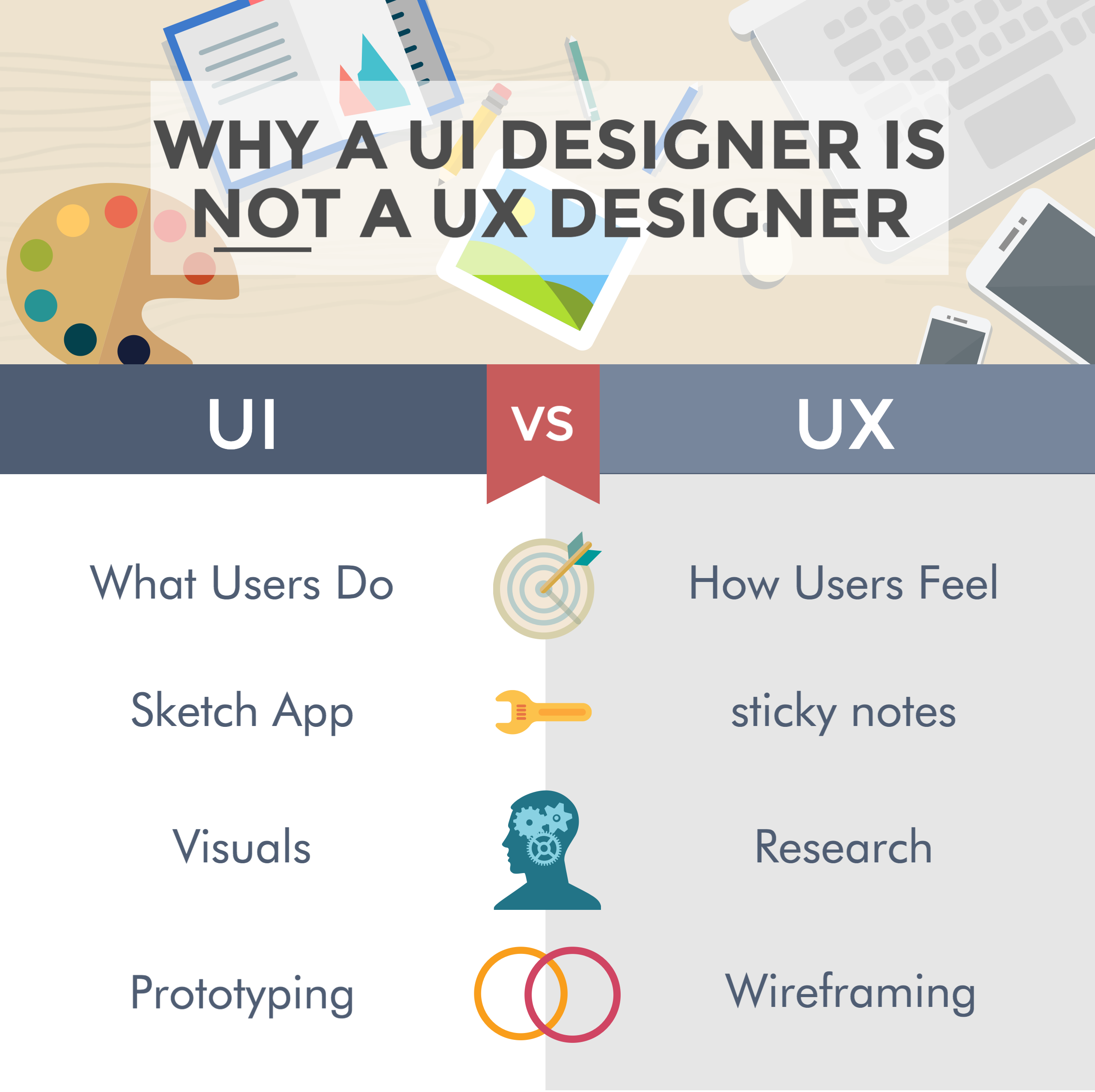
Understanding the Basics of UI UX Design: A Beginners Guide by Carol Flanders

Table Of Content Interaction Design - brief intro UX and UI Design: How Do They Work Together? User Experience Basics The Double Diamond Pro...